
What counts towards the 88 days? Paid work in a specified industry, in an eligible postcode for your visa, while you hold your first 417 or 462 visa. If you work full time, five days a week, the weekend counts too, so it adds up to 88 calendar days over three months.
When I landed in November 2019 I honestly thought the 88 days would be the easy part. Find a farm, work three months, done. Instead I spent three months in Mildura waiting on a farmer who kept promising work that never came. Then I moved to Adelaide for a job someone promised me and ended up sleeping in a community hall with about 50 other backpackers.
So if your 88 days are keeping you up at night, I get it. I've been the girl refreshing job groups at midnight. This is everything I wish someone had sat me down and told me before I wasted those months.
First, what actually counts
Your days only count when three things line up at the same time. You need to be on the right visa (a first year 417 or 462), doing work in an industry on the specified work list for your subclass, in a postcode that's on the eligible list for that industry. The postcode is where you physically work, not where the company's office is, and not the job title on your contract.
The work also has to be paid properly under Australian law. This is where so many people get caught. Unpaid volunteering doesn't count unless it's official disaster recovery work. Farm stays where you work for your bed don't count. Cash jobs with no payslips don't count. And ABN jobs with no timesheets or proof of payment are a nightmare to prove later.
If an employer refuses to give you payslips or tells you "don't worry, it counts", that's exactly when you should worry. Check the postcode and the industry yourself on the Home Affairs website before your first shift. It takes five minutes and can save you five wasted weeks.
How the days are actually counted
Three months means 88 calendar days, and it's not 88 working days. If you work full time, which in most industries means five days a week, the weekend counts too. So five days of work equals seven days on your visa clock.
If you only get two or three days a week, the work still counts, but you'll need a longer stretch to make up the equivalent of three full time months. You can split it across several farms or employers and add the periods together. What you can't do is finish it in less than three calendar months, no matter how many hours you smash out.
Going for a third year? That's six months of specified work, which is 179 days, done while you're on your second visa. And if you're from the UK, you no longer need specified work for your second or third year if you apply on or after 1 July 2024.
Log everything like your visa depends on it (because it does)
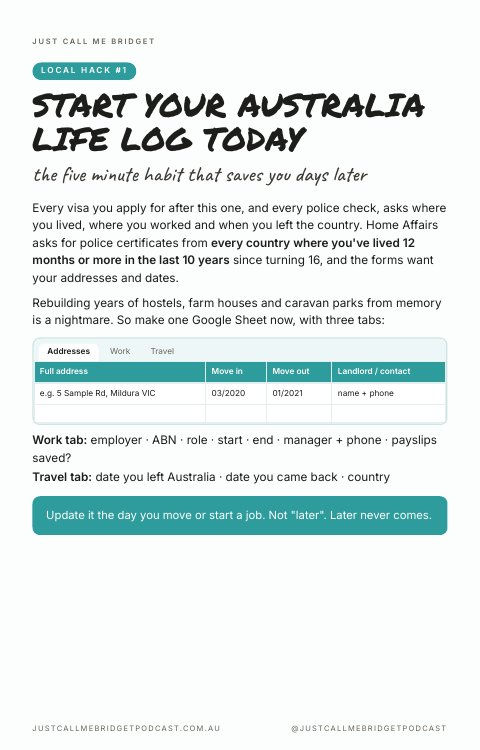
This is the part nobody romanticises, but it's the part that gets your visa granted. Keep every payslip. Save the employer's name, ABN and the address where you worked. Write down your dates, hours and supervisor's name. If you can, ask for a short reference letter or a copy of your timesheets before you leave.
I keep saying it on the podcast: if it's not recorded, it doesn't exist. A screenshot folder on your phone and a backup in Google Drive is enough. You'll thank yourself when you're filling in the application.
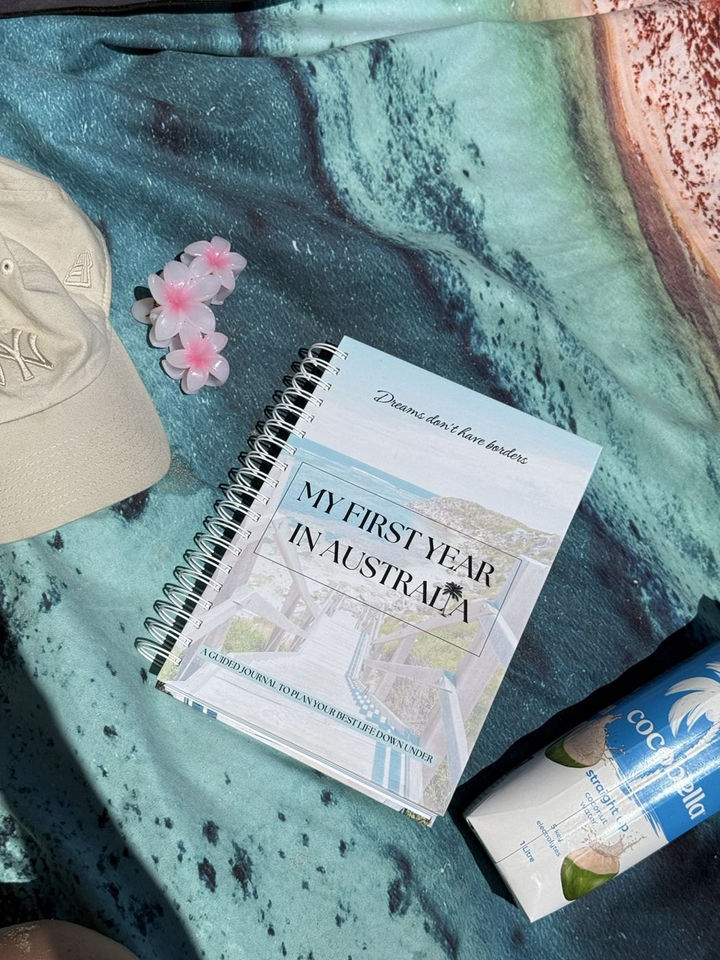
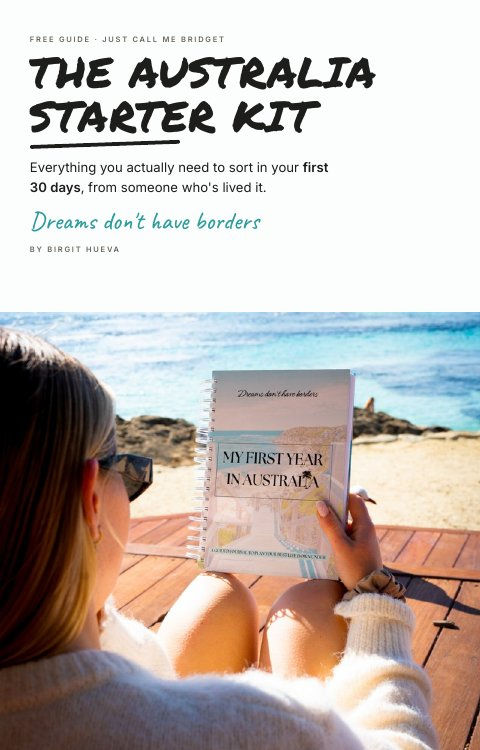
The journal has an 88 day log with a line for every day: date, employer and hours, plus the four steps to earning your second year. If you're collecting days, it lives next to your weekly planner so you actually fill it in.
My YouTube vlogs follow my own farm years: Mildura, the solar farm, the winery, the cotton gin and the grain farm season.
Watch my vlogsFinding work that's real
Australia's harvest moves with the seasons. In summer a lot of the picking is down south, and in winter it moves north to Queensland and the Northern Territory. If you can be flexible about the state, you'll find work faster than people who wait for it to come to them.
What worked for me in the end wasn't scrolling. It was calling. Ring farms and labour hire agencies directly, ask if they're hiring for the season, and follow up. For my cotton gin season I made hundreds of calls. It felt ridiculous at the time, and it's the reason I got the job.
And please be careful with anyone who wants money upfront to "secure" a farm job or a bed. After my own months of empty promises, I'd rather you hear it from me now.
If you only remember three things
Check before you start, not after you finish. Industry plus postcode, on the official list.
Get paid properly. Payslips, award rates, no cash. No proof means no days. Here's how to read your Australian payslip.
Start early. Weather, slow weeks and gaps between jobs mean your 88 days can easily take four months of calendar time. Give yourself a buffer before your visa runs out.
Quick questions
Do weekends count towards the 88 days?
Yes, if you work full time for that week, usually five days in your industry. Then the whole seven days count. Part time work counts too, but you need a longer period to reach the full time equivalent.
Does unpaid or cash work count?
No. Unpaid volunteering (except official disaster recovery), work for accommodation and cash jobs without payslips do not count. The work must be paid under Australian law and you need records.
How many days do I need for a third year?
Six months of specified work, which is 179 days, done while you hold your second Working Holiday visa. UK passport holders applying on or after 1 July 2024 don't need specified work.